
Recognizing promising house officers pursuing a career in academic ophthalmology and vision research.
The AUPO/RPB Resident and Fellow Research Forum was established through a grant provided by Research to Prevent Blindness (RPB). The AUPO believes strongly that skills learned by participating in research are an invaluable component of the education of an ophthalmologist. The establishment of the Resident and Fellow Research Forum acknowledges the importance of research in ophthalmic education and is intended to encourage the most promising house officers to pursue a career in academic ophthalmology and vision research. Through this forum AUPO promotes excellence in research by residents and fellows and identifies and supports individuals considering a career in ophthalmic research. Each year, AUPO schedules a session for the Forum as an integral part of the annual meeting. Travel-related expenses for the meeting are covered by AUPO; winners receive a cash award of $500 and a commemorative certificate.
Nominations open in July and close in September.
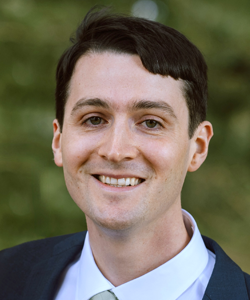
Benton Chuter, MD, MS
Hamilton Eye Institute - University of Tennessee Health Science
Center
Benton Chuter is a pre-residency glaucoma research fellow at the Hamilton Eye Institute (HEI) of the University of Tennessee Health Science Center. He grew up in the San Francisco Bay Area and pursued his undergraduate and master’s degrees at Stanford University, studying biology and mechanical engineering while also racing in the top eight for Stanford’s varsity rowing team. After working as a consultant in medical device design, he completed his medical degree at the University of California San Diego. Now at HEI, he brings over a decade of research experience and expertise in engineering, medicine, and AI. Leading a team in Dr. Monica Jablonski’s lab, he develops and applies novel deep learning-based tools to assess measures of optic nerve health. Benton is one of the first to use deep learning to quantify the effect of a pharmaceutical agent on optic nerve morphology. Also a proud father, he considers his son to be his greatest invention yet. As an aspiring ophthalmologist, Benton hopes to continue integrating his academic, engineering, and clinical interests to improve and broaden access to ophthalmologic care.
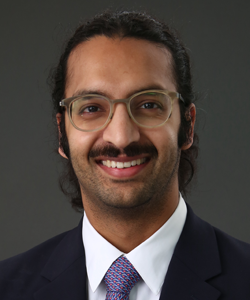
Rahul Dhodapkar, MD
University of Southern California School of Medicine
I am a dedicated resident physician in ophthalmology at the University of Southern California with expertise in complex computational modeling of molecular genetics and diagnostic imaging data. As a former core software engineer at MongoDB (a leading database technology), I also have expertise in the management and manipulation of large datasets. My previous work includes developing new approaches for the analysis of single-cell data based on large language models with a focus on cross-species applications (e.g. determining the applicability of insights derived in non-human model systems to human vision) as well as perturbation prediction (e.g. predicting the effect of a new drug or genetic manipulation in a never-before-seen context in silico). I have also authored work applying state-of-the-art computer vision techniques to perform automated quality control of OCTA images. Aligned with my goal of becoming a physician-scientist in our field, I remain focused on developing new techniques for the application of artificial intelligence to improve both the clinical practice of ophthalmology and the basic science that drives our understanding of ophthalmic pathology. I am excited to present our work on automated measurement of strabismus using computer vision techniques at the research forum this year.

Blake Hauser, MD, PhD
Mass Eye and Ear - Harvard Medical School Department of Ophthalmology
Blake Hauser, MD, PhD, is currently a PGY-2 resident in ophthalmology at Mass Eye and Ear. She graduated from the Health Sciences and Technology track at Harvard Medical School while also earning a PhD in Biophysics through the Harvard/MIT MD-PhD program. Her doctoral work focused on protein engineering and structural virology, and this was funded by an NIH F30 grant award. She has a longstanding research interest in understanding the molecular basis of human disease, which she first pursued as a Morehead-Cain Scholar at the University of North Carolina at Chapel Hill and later as a Churchill Scholar at the University of Cambridge. Blake has published over 70 peer-reviewed papers and earned multiple awards including the Dr. John D. and Gretchen H. Bullock Ophthalmology Award and the Soma Weiss Award for Excellence in Research from Harvard Medical School. Currently, she works with Elizabeth Rossin, MD, PhD, on leveraging analysis of protein structures to obtain increased insight into the genetic basis of inherited retinal diseases, in parallel with her clinical training in ophthalmology. She aspires to a career as an academic surgeon-scientist, helping to preserve patients’ vision while simultaneously advancing scientific understanding of vision-threatening processes.

Vincent (Runzhe) Xu
Vincent (Runzhe) Xu is a second-year MD/PhD student at UT Southwestern. He grew up in Nanjing, China, and attended UCLA for college, where he graduated summa cum laude with BSc in Biochemistry and Neuroscience. During and after his undergraduate studies, he conducted neuroscience research under the mentorship of HHMI Investigator Dr. Larry Zipursky. His work elucidated novel roles of vision in regulating mammalian visual cortex development by leveraging high-throughput single-cell sequencing and spatial transcriptomics. His research has led to multiple publications in high-impact journals, including Cell, Nature, and Cancer Cell, as well as a first-author publication in PNAS. With a growing interest in vision science and the emerging field of cancer neuroscience, he subsequently joined the UT Southwestern MSTP program and began research under the mentorship of Dr. William J. Harbour to investigate the biological underpinnings of intraocular tumorigenesis. His recent work focuses on dissecting the molecular heterogeneity of human retinoblastoma and identifying conserved transcriptional programs associated with tumor malignancy and treatment response by integrating high-throughput omics and bioinformatics. Vincent plans to pursue residency training in ophthalmology and aspires to become a physician-scientist who bridges clinical care and laboratory research to develop new treatments for sight-threatening diseases.
| Forum Year | Presenter Name | Academic Institution | Presentation Title |
|---|---|---|---|
| 2025 | Kristin Ates Hicks, MD, PhD | University of Florida | Using a Modified Arrestin1 to Increase Glycolysis as a Gene-Agnostic Tool to Slow Retinal Degeneration |
| 2025 | Whitney Sambhariya, MD, PhD | Johns Hopkins/Wilmer Eye Institute | The Role of PTEN in Intraocular Stem Cell Transplantation Neuroprotection and Survival |
| 2025 | Drew Voigt, MD, PhD | Northwestern University/Feinberg School of Medicine | Ocular Pro-Angiogenic Macrophages are Shared Across Species and Neovascular Diseases |
| 2025 | Seyedeh (Maryam) Zekavat, MD, PhD | Harvard/Massachusetts Eye and Ear | Multi-omics Analyses Link Genetics, Metabolomics, Photoreceptor Thickness, and Age-related Macular Degeneration in the UK Biobank - |
| 2024 | David Camacho, BS | University of Pennsylvania | Gene Therapy Validation Using Induced Pluripotent Stem Cell-Derived Retinal Ganglion Cells |
| 2024 | Christie Campla, PhD | Case Western Reserve University | Hepatic HIF Stabilization by Novel Carbonyl Glycine Derivatives Protects Against Oxygen-Induced Retinopathy |
| 2024 | Rami Gabriel, MD | Duke University Eye Center | Drug-eluting Dissolvable Plugs for Glaucoma Tubes |
| 2024 | Sean Wang, MD | Stanford University, Byers Eye Institute at Stanford | Delivering RNA Medicines to the Corneal Endothelium Using Charge Altering Nanoparticles |
| 2023 | Bertan Cakir, MD | Harvard/Massachusetts Eye and Ear | Non-invasive Redox Assessment of Mitochondria at the Optic Nerve Head Predicting Retinal Ganglion Cell Loss |
| 2023 | Ken Kitayama, MD, MPH | University of California, Los Angeles | Racial/Ethnic Disparities in Glaucoma Surgical Outcomes in California Medicare Beneficiaries |
| 2023 | Elise Ma, MD, PhD | University of California, Los Angeles | Impact of Aging on Retinal Ganglion Cell and Glial Cell Responses to Optic Nerve Injury |
| 2023 | Warren Pan, MD | University of Michigan | Activation of PKM2: A Gene Agnostic, Novel Treatment to Prevent Photoreceptor Degeneration in Retinitis Pigmentosa |
| 2022 | Jonathan B. Lin, MD, PhD | Harvard/Massachusetts Eye and Ear | Systemic Complement Application in Non-Exudative Age-Related Macular Degeneration |
| 2022 | Micalla Peng, BS | USC/Keck School of Medicine | Electronic Fields Direct Optic Nerve Regeneration and Partial Recovery of Vision after Crash |
| 2022 | Linus Shen, MD | University of California, San Francisco | A Hierarchical Bayesian Change Points Method to Study the Long-Term Natural History of Diseases |
| 2022 | Tu Tran, MD, MSC | University of Minnesota | Cryptococcal Meningitis Eye Study |
| 2021 | Andrew X. Chen, BSE | Cleveland Clinic, Cole Eye Institute | Functional Imaging of Mitochondria in Retinal Diseases Using Flavoprotein Fluorescence |
| 2021 | Ines Lains, MD, PhD | Harvard/Massachusetts Eye and Ear | Genetic-Metabolomic Assocations Support Role of LIPC Gene and and Glycerophospholipds in Age-Related Macular Degeneration |
| 2021 | Nathan Pirakitikulr, MD, PhD | University of Miami, Bascom Palmer Eye Institute | A Simple Tool for Measuring Globe Position Using 3D Structured Light Scanning |
| 2021 | Murtaza Saifee, BS, MD | UCSF Department of Ophthalmology | Development and Validation of Automated Visual Field Report Extraction Platform Using Computer Vision Tools |
| 2020 | Mathieu Bakhoum, MD, PhD | UC San Diego | Dissecting Uveal Melanoma One Cell at a Time |
| 2020 | Siddharth Narendran, MD | University of Virginia | Role of Mechanotransduction in Age-Related Macular Degeneration |
| 2020 | Brian T. Soetikno, PhD | Northwestern University/Feinberg School of Medicine | Visible-Light Optical Coherence Tomography for Retinal Oximetry from Rodents to Humans |
| 2020 | Harris Sultan, MD, MS | Washington University School of Medicine | Vitreous Microparticles in Diabetic Eye Disease Signal Hyalocyte Apoptosis Suggesting a Diabetic Vitreopathy |
| 2019 | Joshua Barnett, MD, PhD | Vanderbilt University Medical Center | Taurocholic Acid Prevents Progression of Age-Related Macular Degeneration in In-Vitro Models |
| 2019 | Karine D. Bojikian, MD, PhD | University of Washington | Macular Vascular Microcirculation in Eyes with Open Angle Glaucoma Using Different Visual Field Severity Classification Systems |
| 2019 | Jason Matthew Lewis Miller, MD, PhD | University of Michigan | Measuring and Modulating Lipid Handling Pathways in the RPE: Implications for Age-Related Macular Degeneration |
| 2019 | Nandini Venkateswaran, MD | Bascom Palmer Eye Institute | The Use of High Resolution Anterior Segment Optical Coherence Tomography (AS-OCT) for the Diagnosis and Differentiation of Conjunctival Lymphoma, Conjunctival Amyloidosis and Benign Lymphoid Hyperplasia |
| 2018 | Joshua C Gross, BS, MD | University of Louisville | Baseline Retinal Blood Flow and ONH Parameters Predict Structural and Functional Progression in OAG with DM |
| 2018 | Cynthia Montana, MD, PhD | Washington University in St. Louis | Transcription Factor-Based Photoreceptor Programming |
| 2018 | Nakul Shekhawat, MD, MPH | University of Michigan/Kellogg Eye Center | Topiramate-Induced Angle Closure Glaucoma: Far More Common than Previously Reported |
| 2018 | Thomas Wubben, MD, PhD | University of Michigan/Kellogg Eye Center | Photoreceptor Metabolic Reprogramming Inhibits Apoptosis in Acute Stress While Causing Chronic Degeneration |
| 2017 | Shinichi Fukuda, MD, PhD | University of Virginia School of Medicine | Endogenous Complementary DNA in Age-Related Macular Degeneration |
| 2017 | Sabrina Mukhtar, BA | University of Pittsburgh Medical Center | Mesenchymal Stem Cells Interact with Corneal Limbal Epithelial Cells by Mitochondrial Transfer via Tunneling Nanotubes |
| 2017 | Lev Prasov, MD, PhD | University of Michigan/Kellogg Eye Center | Genetics of Nanophthalmos |
| 2017 | Brittni A. Scruggs, MD, PhD | University of Iowa | Optimizing Subretinal Injection Conditions for Retinal Gene and Stem Cell Therapy |
| 2016 | Brian Ballios, MD, PhD | University of Toronto | An Injectable Hydrogel Improves the Survival and Functional Integration of Stem Cell Progeny Transplanted into Adult Retina |
| 2016 | Kai B. Kang, MD | Illinois Eye and Ear Infirmary | Micro- and Nanoscale Surface Topographies on Silk Regulate Cytoskeletal Dynamics and Gene Expression of Human Corneal Epithelial Cells |
| 2016 | John Thomas Gaikens Pena, MD, PhD | Weill-Cornell Department of Ophthalmology | microRNAs Regulate Macular Edema |
| 2016 | Amirfarbod Yazdanyar, MD | State University of New York (SUNY) | Overexpression of Phospholipid Transfer Protein (PLTIP) Induces Sub-Retinal Drusen and Ellipsoid Layer Disruption in Mice Fed with High Fat/Carbohydrate Diet |
| 2015 | Ana Bastos-Carvalho, MD, PhD | University of Kentucky | IgG1 Antibodies Generically Inhibit Ocular Neovascularization |
| 2015 | Mehnaz Khan, MD, MS | University of Michigan/Kellogg Eye Center | Epigenetics of Retinoblastoma |
| 2015 | Kabhilan Mohan, MS, PhD | University of Kentucky | In Vivo Imaging of Retinal Pigment Epithelium Cell Death Using Caspase Targeted Fluorescent Probes |
| 2015 | Jeffrey Jing Tan, MD | SUNY Downstate | Long-Term Adverse Effects in Intravitreal Bevacizumab In Rat Model of Retinopathy of Prematurity |
| 2014 | Benjamin Fowler, MD, PhD | University of Kentucky | Nucleoside Reverse Transcriptase Inhibitors Are Anti-Inflammatory and Prevent Dry Eye |
| 2014 | Mohamed Abou Shousha, MD, MS, FRCS, PhD | Saint Louis University Eye Institute | In Vivo Descemet's Membrane Thickness: A Novel Idea Criteria for the Diagnosis of Corneal Graft Rejection |
| 2014 | Guadalupe Villarreal, Jr., MD | Wilmer Eye Institute, Johns Hopkins Hospital | Canonical Wnt Signaling Regulates Extracellular Matarix Expression in the Trabecular Meshwork |
| 2014 | Glenn Yiu, MD, PhD | Duke University Eye Center | Characterization of the Choroid-Sceral Junction and Suprachoroidal Layer in Healthy Subjects on Enchancing-Depth Imaging Optical Coherence Tomography |
| 2013 | Derick Gary Holt, MD, PhD | University of Utah | Raver2 Preserves Corneal Avascularity by Regulating mRNA Processing of the VEGF Decoy Receptors sFIt |
| 2013 | Aaron Lee, MD | Washington University in St. Louis, School of Medicine | Deep Sequencing Techniques in Infectious Endophthalmitis |
| 2013 | Jared Knickelbein, MD | University of Pittsburgh School of Medicin | Mechanisms of Accelerated Corneal Graft Rejection in HSV-Infected Hosts |
| 2013 | Yannis Paulus, MD | Stanford University, Byers Eye Institute at Stanford | Oral Niacin as a Treatment for Retinal Vein Occlusions |
| 2012 | Brenda Bohnsack, MD, PhD | Duke University Eye Center | Thyroid Hormone is Required for Ocular and Craniofacial Development via Interactions with Retinoic Acid on the Neural Crest |
| 2012 | Eric Nudleman, MD, PhD | Department of Ophthalmology, Washington University School of Medicine | Activation of the Wnt Signaling Pathway in Neovascularization |
| 2012 | Veeral Shah, MD, PhD | UPMC Eye Center | Intrinsic properties guide proximal abducens and oculomotor nerve outgrowth |
| 2012 | Nahyoung Grace Lee, MD | Casey Eye Institute, Oregon Health & Science University | Gene Expression Profiling in Nonspecific Orbital Inflammation Using Microarray Analysis |
| 2011 | Manik Goel, MD | Bascom Palmer Eye Institute | Cochlin Expression in Mice Trabecular Meshwork Influences Repulation of Intraocular Pressure |
| 2011 | Ajay Kuriyan, MD | Flaum Eye Institute, University of Rochester Medical Center | Electrophilic PPARγ Ligands Inhibit Corneal Fibroblast to Myofibroblast Differentiation In Vitro: A Potential Novel Therapy for Corneal Scaring |
| 2011 | Rithwick Rajagopal, MD | Washington University School of Medicine | Silencing of Mitf, The Master Regulatory Gene for Melanocyte Differentiation, Results in Profound Changes in the Phenotype of Uveal Melanoma Cell |
| 2011 | Dimitra Skondra, MD, PhD | Weill Cornell Medical College, Dept. of Ophthalmology | Moist Cells Mediate Laser Induced Choroidal Neovascularization through Fibroblast Activation |
| 2010 | Emmanuel Yih-Herng Chang, MD, PhD | Baylor College of Medicine | Biodegradable Microparticle-Based Drug Delivery Systems for Modulating Ocular Surface Disease |
| 2010 | Paul Hahn, MD, PhD | Scheie Eye Institute/University of Pennsylvania | A Putative Role for Iron-Induced Oxidative Stress in the Pathogensis of Age-Related Macular Degeneration |
| 2010 | Anton Orlin, MD | Scheie Eye Institute/University of Pennsylvania | Analysis of Six Genetic Risk Factors Highly Associated with AMD in the Region Surrounding ARMS2 and HRTA1 on Chromosome 10q26 |
| 2010 | Andrew M. Schimel, MD | Washington University in St. Louis | A Novel Antioxitant Prevents Retinal Degeneration by Promoting Glutathione and reducing Lipid Perioxidation in Retinal Pigment Epitheal Cells and Mice |
| 2009 | Romulo Albuquerque, DDS, MS | University of Kentucky | sVEGFR-2 A Novel Endogenous Inhibitor of Corneal Lymphangiogenesis and Allograft Rejection |
| 2009 | Vincent S. Hau, MD, PhD | John A. Moran Eye Center, University of Utah | Promotor Polymorphism of the Erythropoietin Gene in Severe Diabetic Eye and Kidney Complications |
| 2009 | Mark E. Kleinman, MD | University of Kentucky | Toll-like Receptor 3 in Geographic Atropy: Deciphering Mechanics and Developing Therapies |
| 2009 | David M. Wu, MD, PhD | University of Michigan, Kellogg Eye Center | mm3342: A New Mouse Model of Retinal Degeneration and Its Role in Understanding Retinal Disease |
| 2008 | Shu-Hong (Holly) Chang, MD | Washington University in St. Louis | Prognostics Biomarkers in Uveal Melanoma: Evidence for a Cancer Stem Cell Phenotype? |
| 2008 | Sai Hemanth Chavala, MD | Duke University Eye Center | Activation of the p53 Pathway by MDM2 Blockade Inhibits Early Retinal Vascular Development |
| 2008 | Maria Soledad Cortina, MD | Louisiana State University | The Combination of PEDF and DHA Increases Regeneration of Corneal Nerves after Surgery |
| 2008 | Holly Butler Hindman, MD | University of Rochester | Endothelial Keratoplasty and Ocular Optics |
| 2007 | Jennifer Fisher, MD | University of California, San Francisco | Microsurgical Lab Testing Is a Reliable Method for Assessing Ophthamology Residents' Surgical Skills |
| 2007 | Alon Kahana, MD, PhD | University of Wisconsin | The Study of Orbital Development using Zebrafish: A Powerful Tool for Understanding Orbital Biology and Disease |
| 2007 | Hatice Nida Sen, MD | George Washington University | Systemic Nonsteroidal Anti-Inflammatory Medications and Age-Related Macular Degeneration: The Age-Related Eye Disease Study (AREDS) |
| 2007 | Alison Skalet, MD, PhD | University of California, San Francisco | Telemedicine Screening for ROP in Developing Countries Using Digital Retinal Images |
| 2006 | Jeffrey L. Goldberg , MD, PhD | University of Miami, Bascom Palmer Eye Institute | Retinal Ganglian Cell Death after Axon Injury: The Role of Physiologic Levels of Electrical Activity |
| 2006 | Michael Grassi , MD | University of Iowa Hospitals and Clinics | Ethnic Variation in AMD-Associated Complement Factor H Polymorphism Y402H |
| 2006 | Scott Lee , MD, PhD | University of California | Trachoma in Flies and Children after Azithromycin Treatment: Should We Rethink the WHO Paradigm? |
| 2006 | Miho Nozaki , MD | University of Kentucky | Corneal Avascularity Is Due to Soluable VEGF Receptor-1 |
| 2005 | Jared Nielsen , MD | Loyola University | Effect of Basic Fibroblast Growth on Adult Human Retinal Stem Cell Proliferation In Vivo |
| 2005 | Mark I. Rosenblatt , MD, PhD | Massachusetts Eye & Ear Infirmary | Gene Transfer of an Anti-Angiogenic Metalloproteinase to Cornea-Derived Cells |
| 2005 | Robert Keith Shuler Jr. , MD | Emory University School of Medicine | Gene Therapy by Genoplasty in Retinal Tissue |
| 2005 | Newman J. Sund, MD, PhD | Scheie Eye Institute, University of Pennsylvania | Retinal Oxygen Imaging in Mice by Phosphorescence Lifetime |
| 2004 | Maya Eibschitz-Tsimhoni, MD | University of Michigan | A Molecular Approach to the Management of Graves Ophthalmology |
| 2004 | Pedram Hamrah , MD | University of Louisville/Ophthalmology Department | Breaking a Dogma: Evolving Story of Corneal Antigen Presentation |
| 2004 | Murat Kalayoglu, MD, PhD | Massachusetts Eye & Ear Infirmary | Chlamydia Pneumoniae Induces Production of Vascular Endothelial Grown Factor In Vitro and is Identified in Human Choroidal Neovascular Membranes Secondary to Age-Related Macular Degeneration |
| 2004 | Wai T. Wong , MD | National Institutes of Health | Effect of Over-Expression in Pigment Epithelium-Derived Factor (PEDF) on Developing Retinal Vasculature in the Mouse Eye |
| 2003 | Leonard Feiner, MD, PhD | Scheie Eye Institute, University of Pennsylvania | Adult onset neovascularization in the mouse caused by cell specific loss of the von Hippel Lindau gene |
| 2003 | Dino Klisovic, MD | The Ohio State University | Depsipeptide, a Histone Deacetylase Inhibitor, Inhibits Proliferation, Induces Apoptosis and Inhibits Migration of Primary and Metastatic Uveal Melanoma Cell Lines in Vitro: a Potential Therapeutic Strategy for Uveal Melanoma |
| 2003 | David H. Ren , MD, PhD | University of Texas Southwestern Medical Center at Dallas | Tumor Necrosis Factor (TNF) – Related Apoptosis-Inducing Ligand (TRAIL) Induces Apoptosis in Human Uveal Melanoma Cells |
| 2003 | Stephen H. Tsang, MD, PhD | Jules Stein Institute, UCLA School of Medicine | Genetic Switches for Retinal Gene Expression |
| 2002 | Milam A. Brantley, Jr., MD, PhD | Washington University | Molecular Changes Associated with Local Therapy of Uveal Melanomas |
| 2002 | Michael S. Ibarra , MD | University of Pennsylvania, Scheie Eye Institute | Determination of Retinal and Subretinal Thermal Dosimetry from Transpupillary Thermotherapy |
| 2002 | Kevin C. Lee , MD | Mount Sinai School of Medicine | Retinal Pathology in DBA/2NNia Glaucomatous Mice |
| 2002 | Danny Y. Lin , MD | Stanford University | The Sensitivity and Specificity of Single Field Nonmydriatic Monochromatic Digital Fundus Photography with Remote Image Interpretation for Diabetic Retinopathy Screening: A Comparison with Ophthalmoscopy and Standardized Mydriatic Color Photography |
| 2001 | Rajendra S. Apte , MD, PhD | Washington University | Role of Angiostatin Produced by Certain Primary Intraocular Melanomas in Inhibiting The Development of Metastases |
| 2001 | Yu-Guang He, MD | University of Washington/Ophthalmology | Phenotypic Defects of RPE65 Null Mutation and Recovery of Photopigment and Vision in the RPE65 Null Mutant Murine Model of Leber Congenital Amaurosis |
| 2001 | Albert S. Jun , MD, PhD | Wilmer B-20, The Johns Hopkins Hospital | DNA Microarray Analysis of Human Donor Corneas |
| 2001 | Nariman Sharara, MD | Emory University Eye Center | Murine High Fat Die/Laser Photochemical Model of Basal Deposits in Bruch's Membrane |
| 2001 | Stephen H. Tsang, MD, PhD | Jules Stein Eye Institute, UCLA | Toward Repair of Retinal Degenerations with Differentiated and Embryonic Stem (ES) Cells |
| 2000 | Jayakrishna Ambati, MD | Massachusetts Eye & Ear Infirmary | Targeted Transcleral Delivery of Bioactive Proteins to the Choroid and Retina |
| 2000 | Bienvenido V. Castillo, Jr., MD | University of Illinois at Chicago | Ribozyme Gene Therapy in a Transgenic Mouse Model for Autosomal Dominant Congenital Stationary Night Blindness (CSNB) |
| 2000 | Min Cheol Kim, MD, PhD | Wilmer Ophthalmological Institute/Johns Hopkins Hospital | Secure Personal Identification using the limbal palisades of Vogt |
| 2000 | Hanna Levkovich-Verbin, MD | Wilmer Ophthalmological Institute/Johns Hopkins Hospital | Does secondary degeneration occur in primate retinal ganglion cells? |
| 2000 | Andrew John Lotery, MD | University of Iowa Hospitals and Clinics | Discovery of the Malattia Leventinese/Doyne Gene and its Relevance to AMD |
| 2000 | Michael J. Tolentino, MD | Scheie Eye Institute | VEGF induced preretinal neovascularization and intraretinal edema in a nonhuman primate |
| 1999 | Rajendra S. Apte, MD, PhD | UT Southwestern Medical Center | Immune Privilege and Intraocular Tumor Surveillance |
| 1999 | Linda E. Day, MD | University of Washington | Soluble Growth Factors Improve Integration Between Healthy and Diseased Retinas In Vitro |
| 1999 | Alan J. Franklin, MD, PhD | University of Iowa | Carboxyamido-Triazole is a Potent Inhibitor of Retinal Neovascularization |
| 1999 | Yu-Guang He, MD | UT Southwestern Medical Center | Oral Tolerance: A Novel Strategy for Preventing Immunologic Rejection of Corneal Allograft |
| 1999 | Russell N. Van Gelder , MD, PhD | Washington University | Multiplex PCR for Detection of Uveitis Pathogens |
| 1998 | Jayakrishna Ambati, MD | University of Rochester | Elevated GABA, Glutamate, and Vascular Endothelial Growth Factor Levels in the Viteous of Patients with Proliferative Diabetic Retinopathy |
| 1998 | Jeremiah Brown, Jr., MS, MD | University of Iowa | Clinical Characterization and Linkage Analysis of a Four Generation Family with Cone-Rod Dystrophy |
| 1998 | Joshua L. Dunaief, MD, PhD | Wilmer Ophthalmological Institute | Retinoblastoma Protein Complexes Involved in Cell Cycle Control |
| 1998 | John H. Fingert, MD | University of Iowa | Identification of a Gene That Causes POAG |
| 1998 | Jun C. Huang, MD, PhD | University of Medicine and Dentistry of New Jersey | Preparation and Transplanation of Photoreceptor Sheets |
| 1998 | Jonathan Sears, MD | Emory University | Retinal Glyceraldehyde-3-phosphate Dehydrogenase is Recognized by Autoantibodies in Patients with Cancer |
| 1998 | Agnes M.F. Wong, MD | University of Toronto | Representation of the Visual Field in Human Occipital Cortex: A Correlation Between MRI and Visual Field Defects |
| 1997 | Jorge G. Arroyo, MD | Duke University | A Novel Method for the Localized Delivery of Enzymes into the Ocular Circulation: Intravascular Photoactivation of Caged-Thrombin |
| 1997 | Jeffrey W. Berger, MD, PhD | University of Pennsylvania | Slit-Lamp Fundus Biomicroscopy of the Future--Design Considerations and Prototype Construction |
| 1997 | John Danias, MD, PhD | Mt. Sinai School of Medicine | Intravitreal Anti-Sense Oligonucleotides to Glutamate Dehydrogenase (GDH): Effects on ERGs in Rats |
| 1997 | Gustavo Alejandro Gonzalez, MD, MS, PhD | University of California, San Francisco | Improved Genetic Testing for the Retinoblastoma Gene |
| 1997 | Torben Moller-Pedersen, MD | University of Texas, Dallas | Quantitative Evaluation of Excimer Laser PRK Using in Quantitative Evaluation of Excimer Laser PRK Using in Vivo Confocal Microscopyivo Confocal Microscopy |
| 1997 | Peter L. Sonkin, MD | University of Iowa | The Effects of Pentoxifylline on the Progression of Diabetic Retinopathy |
| 1997 | Kang Zhang, MD, PhD | Wilmer Institute, Johns Hopkins University | Genetic and Molecular Analysis of Stargardts' Macular Dystrophy |
Nominees for the Resident and Fellow Research Forum must fulfill the following criteria:
- Ophthalmology residents in accredited programs in the United States or Canada or clinical fellows in AUPO FCC compliant or ASOPRS programs carrying out research on a full or part time basis. Medical students doing a full year of research are also eligible.
- Research content should reflect ongoing or very recent research that has not yet been published or accepted for publication at the time of submission.
- Applications across the full spectrum of ophthalmic diseases are encouraged.
- A winning presenter is eligible to present only once at an AUPO annual meeting.
- Candidates must be nominated by their Department Chair
- The Application Packet must include the following items (10 pt. font or greater):
- A letter (not to exceed two pages) from the Chair summarizing the Nominee’s special qualifications for the Award and verifying
- the percent of ‘hands-on’ effort by the candidate described in the abstract
- the cash prize will be awarded directly to the Awardee and not counted against normal compensation or deposited in department accounts
- the Awardee will attend the AUPO Annual Meeting to receive the award and will be accompanied by the Chair or another Member from their department
- One-page curriculum vitae
- Abstract of research carried out by candidate
- abstracts should indicate the percent of “hands-on” effort of the work performed by the candidate
- abstracts should be in ARVO format
- the introduction should contain a single sentence statement of the hypothesis
- the conclusion should contain a single sentence statement of the relevance of the work to the prevention of blindness (why the study is therefore important)
- A letter (not to exceed two pages) from the Chair summarizing the Nominee’s special qualifications for the Award and verifying
- No candidate may submit more than one abstract, although there is no limit to the number of abstracts that may be submitted from any department. In general, there should be only one submission from the laboratory or program of an individual scientific faculty preceptor.
The completed application packet must be compiled by the Department Chair and submitted electronically by the September deadline.
- All applications will be reviewed by a Selection Committee, consisting of Chairs and Directors of Research from Departments of Ophthalmology.
- The four successful candidates will be notified in October.